
Life’s Second Chapter
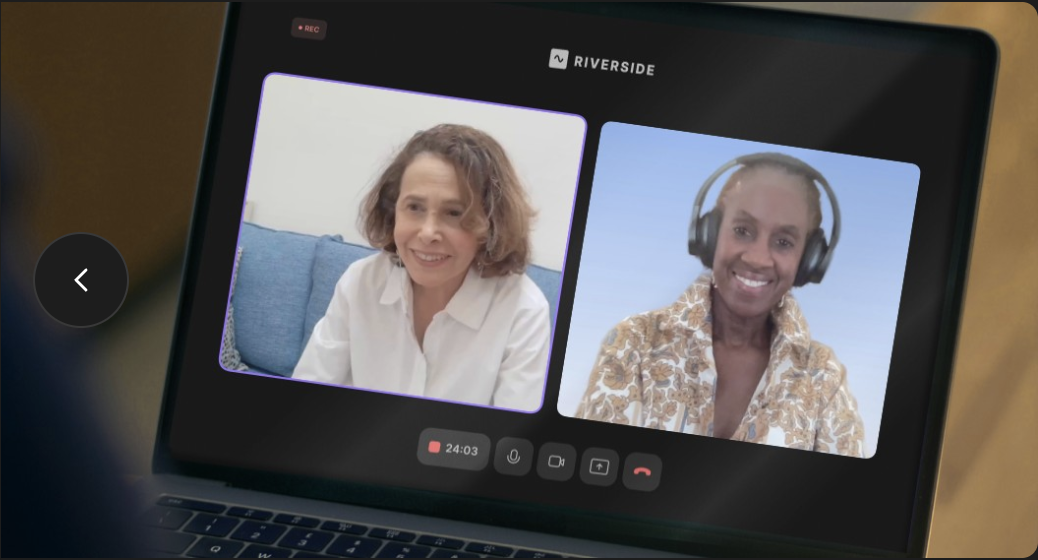
Podcast Conversation: Diana Jean Schemo and Deirdre Bagley
American culture is so focused on youth, that we miss the fact that life, and people, get a whole lot more interesting after 50.
I had a conversation about life’s second chapter with SECOND ACTS podcast host, Diana Jean Schemo, executive editor and director of 100Reporters and Double Exposure Film Festival, respectively.
The second act is the new life we create for ourselves after the one dictated by convention. Perhaps it is what’s next for people who already live as the king or queen of reinvention. Or, maybe like me, you had a SLE (significant life event) which clearly delineated before and after SLE, and the SLE ignited a whole new verve.
I shared my second act intentionality around moving from the suburbs to a small town in the country for a slower, simpler life, where I could grow my own organic food and prepare to live off-grid if necessary. Three years of bi-weekly property visits from Maryland to Virginia to West Virginia, and I had achieved a self-made PhD in 18th and 19th century architecture. I also found the place to call home. It was not at all what I expected. It was so much more.
For my first chapter recall, I revealed a period of blindness from optic neuritis in both eyes, a freak medical anomaly that worsened over a year and ended my second year in Johns Hopkins. At almost 50, loss of sight became a signpost presenting two very different paths: one of significantly reduced sensory capacity and increased dependence on others; or, a return of my full senses and faculties with which to experience the world.
Suddenly, the second path possibilities seemed more colorful, more accessible, and more bountiful. Unexplained medical tragedy offered me new glasses with which to see, and before I regained my sight, my second act was born.
Just as interesting as my time travel backward, were the questions Diana asked to rocket me there. Each question could make a great table game, dinner party conversation starter, or journal prompt. But these may be too valuable for trivia, and best saved for second actors reflecting on the remarkable nature of change and our own potential:
What’s the second chapter?
What was it like switching from chapter 1 to 2?
What was “before” and “after”?
What prompted the change?
What were the mechanics of the change?
Was it a good decision?
How do I benefit from it now?
What was involved economically?
Am I defined by it?
What’s next?
As an author and career reporter with The New York Times and The Baltimore Sun, Diana has reported on everything from the fall of the Berlin Wall to the first Gulf War to drug lords and threats to the Amazon in Brazil. Now, she's turning her lens on an underestimated, overlooked demographic: people over 60+.
As Diana hit 60 herself, she realized that mainstream news is not speaking to people over 60, even when speaking about them. Which means news is missing the perspective of a huge and growing demographic. That was the heat that fired up her creation of THE LONG GAME and its podcast, SECOND ACTS, on SubStack. She is focused on that neglected audience, with original reporting, interviews, and a platform for their voices.
As for my voice, I may have shared tidbits of my second act, but let’s be clear. People over 50 do not let people under 50 into the secret conversations or VIP-pass-only rooms where all the fun happens because, well, it would blow their minds.
We wait. Because one day, those under 50 will arrive at the door with their own VIP pass, God willing. We let them think, for now, they have the world on a string.
For our news, however—in a world that is reshaping itself into something called new that in reality has been done before—we can’t wait. It is time for us to hear what the elders have to say.